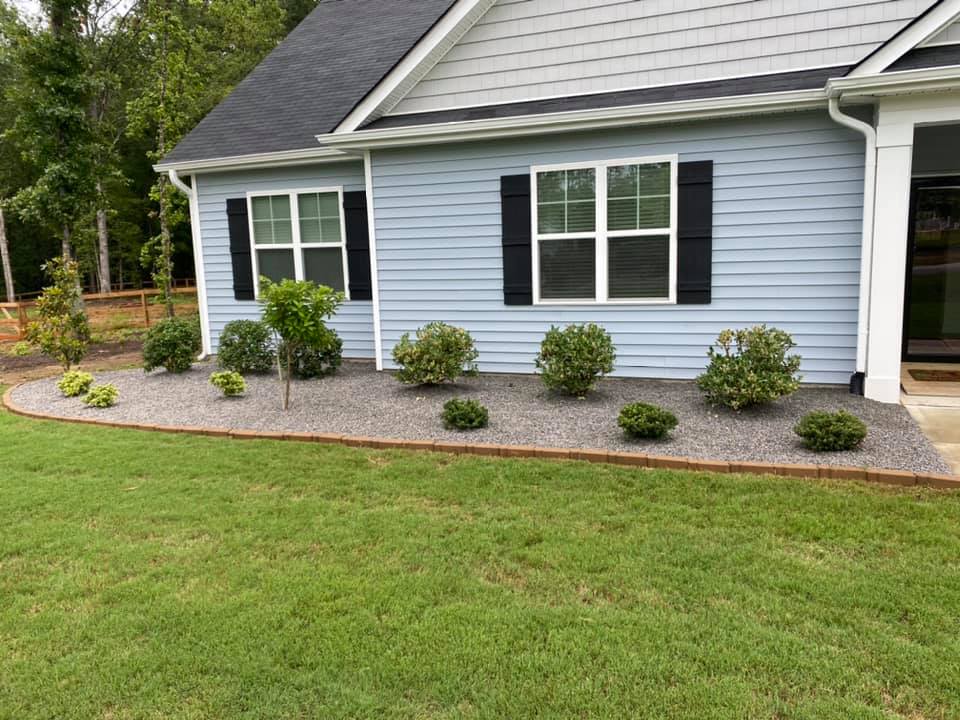
Perfect Harmony: Blending Natural and Structural Elements in Your Yard Jun 07, 2026
To begin with, understanding the essence of balance in landscaping is crucial. Think of your outdoor space as a blank canvas. Just as an artist selects specific colors and shapes to create a masterpiece, a homeowner must carefully choose a mix of natural and structural components. The natural aspects might include lawns, trees, flowerbeds, and shrubbery, while structural features can range from patios and pathways to garden sculptures and retaining walls.
Start with a comprehensive plan. Assess your yard's existing conditions, including its size, shape, and any unique features or limitations. Consider the climate and soil type, which will influence plant selections. An effective landscape design integrates these natural features seamlessly with hardscapes like stone paths or wooden decks. By doing so, you create a more cohesive look that ties the entire area together.
When selecting plants, it's essential to consider their growth patterns and how they interact with structural elements. For example, a pergola covered in climbing roses can soften the rigidity of the structure, while strategically placed trees can provide natural shade over a paved sitting area. This interplay between nature and structure is key to creating a yard that feels both vibrant and inviting.
The choice of hardscaping materials also plays a significant role. Opt for materials that complement the natural surroundings. Natural stone, brick, and wood often provide a timeless appeal and blend seamlessly with greenery. Moreover, these materials tend to weather naturally, adding character to your yard over time.
Additionally, it's important to consider the functionality and flow of your space. Paths and walkways not only guide guests through your yard but also enhance its accessibility and usability. Using a consistent material for walkways and patios can create continuity, while varying the pattern or color can add interest and define separate areas.
Lighting is another crucial element that should not be overlooked. Effective outdoor lighting highlights both natural and structural features, enhances safety, and extends the usability of your space into the evening hours. Consider a mix of solar-powered lights for pathways and discreet uplighting to accentuate architectural features or specimen plants.
Incorporating water features can also elevate the design of your yard. Whether it's a serene pond, a bubbling fountain, or a trickling stream, water elements provide a sensory experience that enhances the natural beauty and tranquility of the space.
Finally, regular maintenance is key to preserving the balance between natural and structural components in your yard. Routine tasks like pruning, weeding, and cleaning hardscapes not only keep your yard looking its best but also ensure that all elements work together as intended.
In conclusion, creating harmonious outdoor spaces that blend natural and structural elements is more than an aesthetic endeavor; it's about creating a sanctuary that reflects your taste while meeting practical needs. By focusing on balance and thoughtful design, homeowners can transform their yards into stunning extensions of their homes, providing pleasure for years to come. Wake & Franklin Grounds Maintenance is ready to assist in achieving this perfect oasis where nature and innovation come alive in unison.
/filters:no_upscale()/filters:format(webp)/media/7f4a1588-c411-41ca-8cfb-9c3a1ae7aaf4.jpeg)
/filters:no_upscale()/filters:format(webp)/media/5fde9983-5498-42e9-8f7c-fdd9ff39bd3c.jpeg)